
Commercial HVAC coil cleaning
Remove accumulated dirt with equipment-specific coil cleaning. Clean AC LLC cleans commercial evaporator and condenser coils with attention to their condition, materials, manufacturer requirements, access and drainage. Include the unit model and any related cooling, airflow or water concerns when requesting service.
Service & equipment inquiries
[email protected]
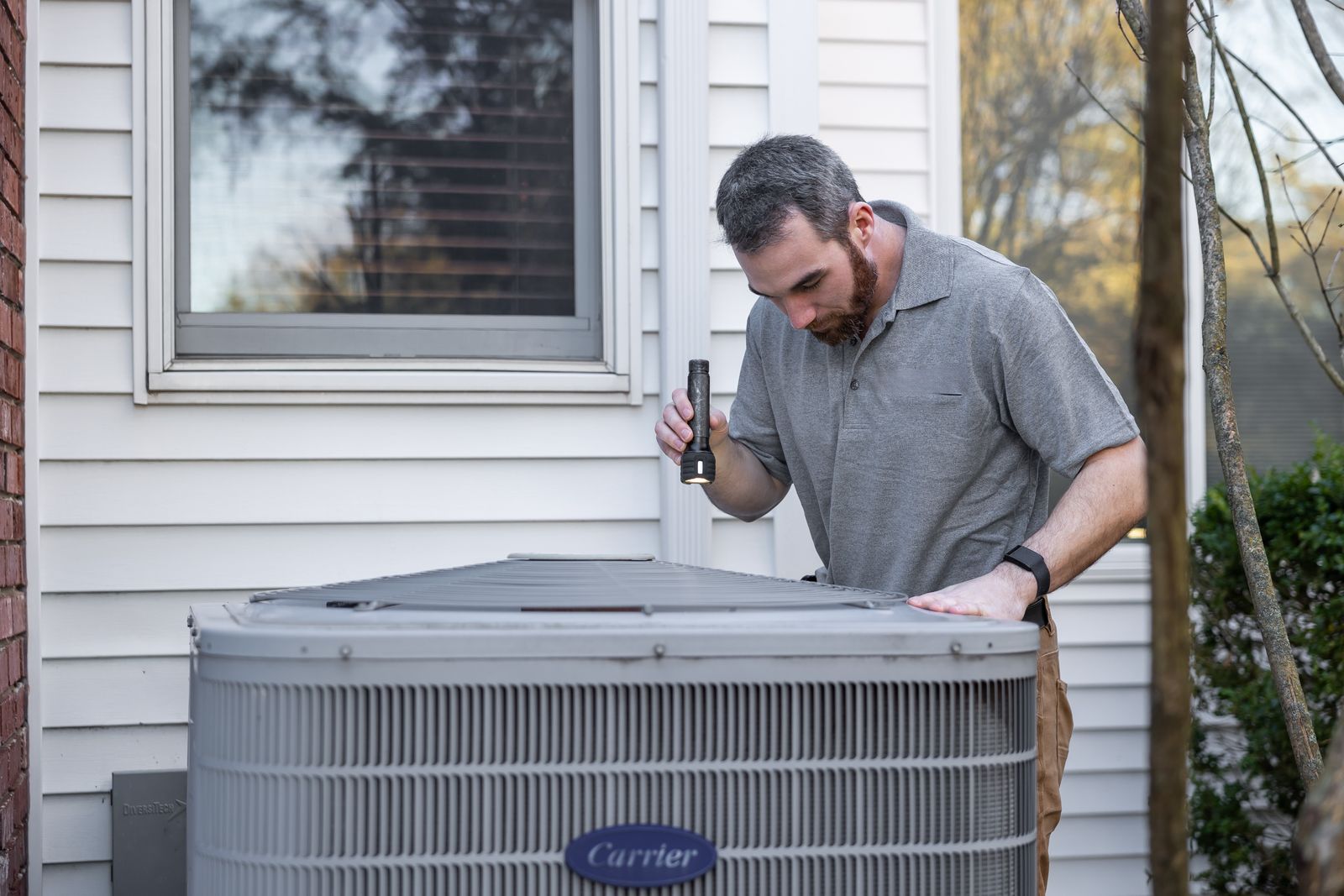
Coil cleaning needs an equipment-specific method
An indoor evaporator coil and an outdoor condenser coil have different surroundings and access arrangements. Identify which coil needs attention and the equipment it belongs to. Dirt, debris and visible condition help frame the cleaning request but do not establish every cause of a performance complaint.
The method should suit the coil, its materials and the manufacturer's requirements. Chemical selection, rinsing requirements and protection of surrounding components belong in the work discussion. A cleaner chosen for one application should not be assumed suitable for every coil.
Access and drainage also shape the scope. Indoor work can involve service panels, condensate pans and protection of occupied areas; outdoor work can involve debris and practical water/access restrictions. Include these details so cleaning and any separate diagnostic or repair needs remain clear.
The correct coil identified
Distinguish evaporator and condenser requirements for the equipment involved.
Cleaning suited to the materials
Keep method and chemical selection tied to manufacturer guidance.
Surrounding areas considered
Plan access, drainage and protection around the coil location.
Request equipment-specific coil cleaning
Provide the unit model, coil location and the reason for the request. Include visible condition, previous cleaning and related cooling, airflow or water symptoms.
Describe roof or indoor access, occupied hours and available site arrangements. Tell us whether cleaning is a planned care task or part of assessing a wider operating issue.
Plan coil care from condition to follow-up
1
Identify the coil and unit
Gather equipment information and specify indoor evaporator or outdoor condenser needs.
2
Review condition and guidance
Discuss access, materials and applicable manufacturer cleaning requirements.
3
Coordinate cleaning arrangements
Include drainage, surroundings and practical site restrictions in the scope.
4
Review related issues
Keep the cleaning outcome with any remaining airflow, condensate or diagnostic findings.
Treat cleaning as a defined equipment task
Coil cleaning is most useful when the coil, method and reason for work are specific. Keep the surrounding pan, drainage or debris concerns visible rather than treating a chemical product as the whole solution.
Where poor operation remains after cleaning, further diagnosis may be needed. Record the task and equipment condition so a continuing complaint can be assessed with the work history in view.
Materials respected
Use the applicable guidance when discussing cleaners and cleaning methods.
Indoor drainage connected
Include pan and drain concerns where they relate to the coil location.
Performance concerns separated
Distinguish the cleaning task from faults needing diagnosis or repair.
Frequently asked questions
Can both indoor and outdoor coils be cleaned?
Yes. Identify the evaporator or condenser coil and equipment model so access and the appropriate cleaning scope can be discussed.
Will one coil cleaner suit every system?
No. Cleaner type, coil materials, application and rinse requirements need to match manufacturer guidance for the equipment.
Does cleaning confirm the cause of weak cooling?
No. Dirty coils can be part of the concern, but weak cooling may involve other faults. Include the symptoms so cleaning and diagnosis can be separated.
Can pan and drain issues be discussed at the same time?
Yes. Describe water or drainage symptoms and identify the indoor unit. Related care can be considered with the coil-cleaning request.
How should a cleaning interval be chosen?
Use manufacturer requirements, operating conditions and inspection findings. Avoid applying one interval to all equipment regardless of condition.